

Preparing your home for winter in Williamsburg is less about snow and more about water. Our winters are mild, but they are wet. A few months of cold rain and overnight freezes will find every cracked caulk joint and patch of bare wood on your house.
We have painted homes across Williamsburg and James City County for over 20 years. Every spring we get calls about peeling trim and soft window sills, and most of that damage started with a small gap nobody sealed in the fall. Here is what to check, what to fix first, and how late you can still paint.
Key Takeaways
- Water, not cold, causes most winter damage to Williamsburg exteriors.
- Check caulk, trim, window sills, and your south and west walls in early fall.
- Wash off pollen and mildew before you caulk or paint.
- Prime and paint bare wood before winter. Replace rotted wood instead of painting over it.
- Many premium exterior paints go on down to 35 degrees, but evening dew is the real limit.
Why Preparing Your Home for Winter Starts Outside
Paint and caulk are your home’s weather seal. When that seal has gaps, winter rain soaks into the wood. The wood swells, the water freezes on cold nights, and the paint gets pushed off from behind. Closing those gaps in the fall costs far less than replacing rotted trim in the spring.
Williamsburg gets many winter days in the 40s and 50s followed by nights below freezing. That back and forth is hard on wood. Colonial-style homes with clapboard and detailed trim feel it most, but builder-grade caulk in newer James City County neighborhoods often opens up within a few years too.
Not sure where your paint stands? See our guide on how long exterior house paint lasts.
How to Inspect Your Exterior
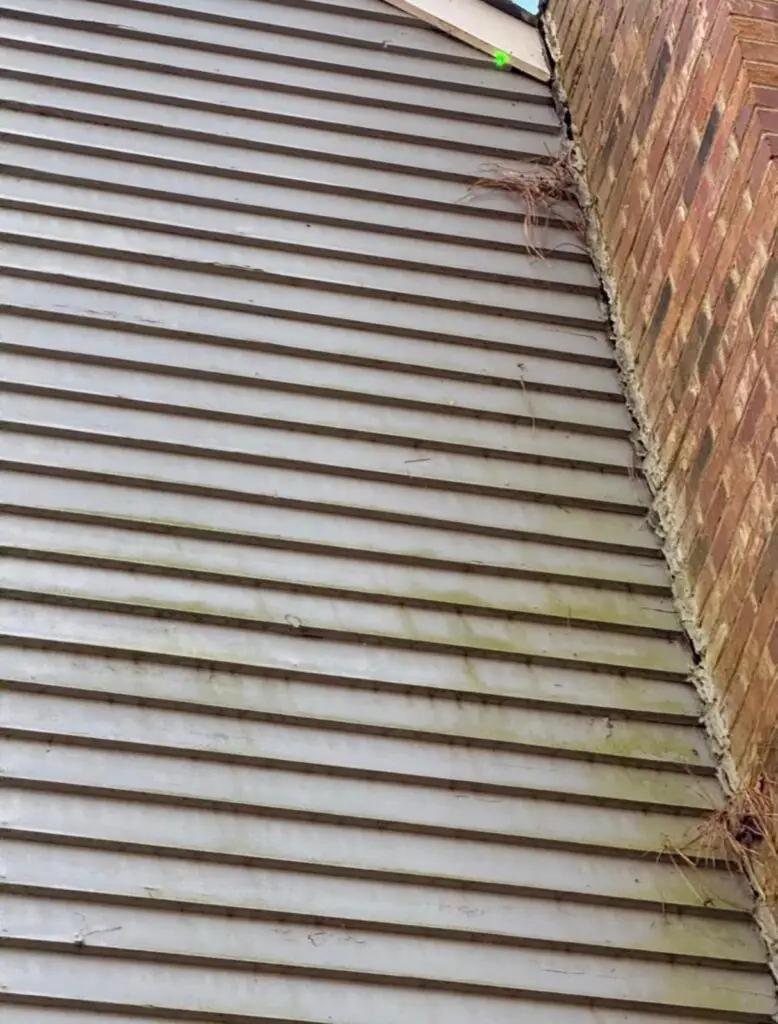
Walk the full perimeter of your home on a dry day and look closely at every spot where two materials meet. Most winter water damage starts at joints, edges, and flat surfaces, not in the middle of a wall. Fifteen minutes and a screwdriver are all you need.
- Window and door trim. Look for cracked or missing caulk, especially at corner boards.
- Sills and door casings. Press the wood with a screwdriver. Soft means rot.
- Fascia and soffits. Peeling under a gutter usually means it is overflowing.
- South and west walls. These take the most sun and fail first.
- Decks and railings. Sprinkle water on the boards. If it soaks in instead of beading, the sealer is gone.
Fall Exterior Prep Checklist
Work in this order: clean, repair, seal, then coat. Each step depends on the one before it. Caulk will not bond to mildew, and paint will not last over soft wood, so skipping ahead usually means redoing the work next year.
- Wash the exterior. Summer leaves a film of pollen, dirt, and mildew, especially on shaded lots in Toano and Norge. Our pressure washing service is often the first step on fall projects.
- Clean gutters and check downspouts. The EPA lists clean gutters and ground that slopes away from the foundation among the basics of moisture control.
- Repair damaged wood. Replace rotted sills, fascia, and trim. Paint only hides rot for a season, so we handle carpentry and trim repairs first.
- Recaulk open joints. Remove loose caulk and seal trim joints, corner boards, and window edges. Leave the bottom edge of lap siding open so it can drain.
- Prime and touch up bare spots. Scrape, sand, prime, then apply two finish coats. Widespread peeling may call for full exterior house painting.
- Seal the deck. If it failed the water test, schedule deck staining and sealing while days are still warm.
- Trim shrubs back. Give siding about a foot of clearance so walls can dry.
How Late in the Fall Can You Paint Outside?
In most years you can paint exteriors around Williamsburg into November. Many premium acrylic paints are rated for application down to 35 degrees. The real limits are overnight lows and dew, because fresh paint needs several dry hours before moisture settles on it.
Sherwin-Williams says temperatures should ideally stay in the product’s range, and above the dew point, for 48 hours after application.
| Product Type | Typical Minimum | What to Watch |
|---|---|---|
| Standard exterior latex | 50°F | Check the label before you start. |
| Low-temperature premium acrylic | 35°F | Overnight lows and evening dew. |
| Deck stain and sealer | 50°F | Dry wood and no rain in the forecast. |
On late fall jobs, our crews start after the morning dew burns off, work the sunny side first, and stop by mid-afternoon so the paint can set.
Common Mistakes We See Every Fall
Most fall prep mistakes come from rushing the order of work or painting too close to dark.
- Painting too late in the day. Dew lands on wet paint and leaves a streaky, dull finish.
- Leaving bare wood until spring. A scrape-and-prime job becomes a trim replacement.
DIY or Call a Painter?
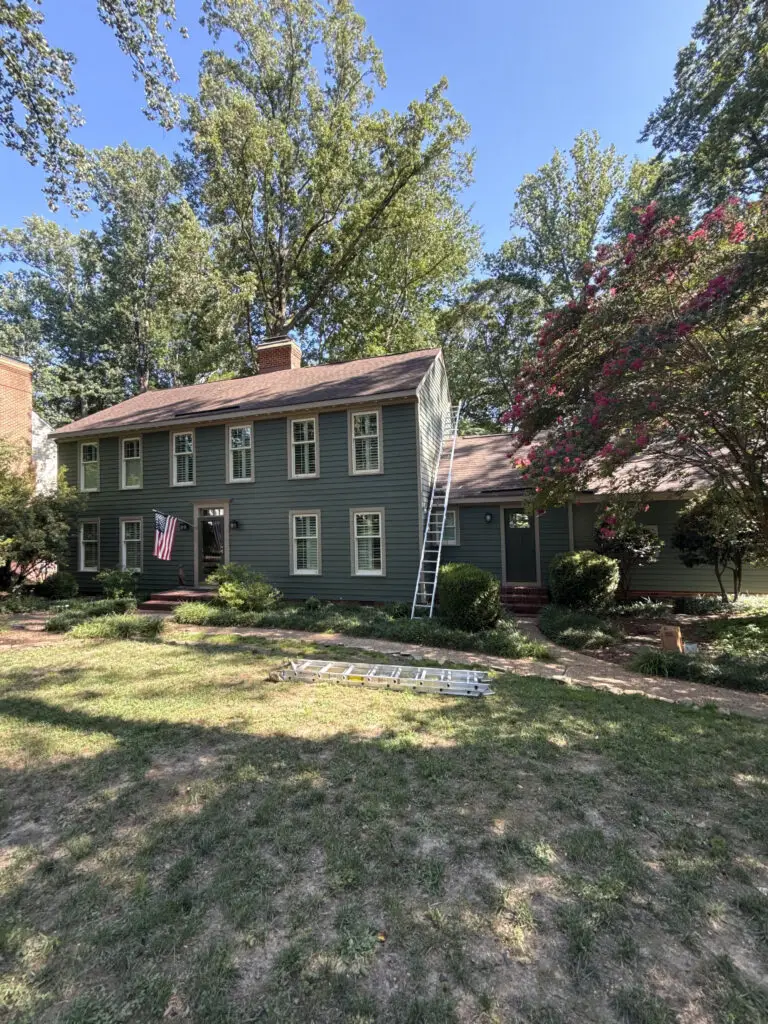
Homeowners can handle the inspection, gutter cleaning, and ground-level caulking. Call a professional for rot repair, second-story work, and painting that has to be timed around cold weather. Ladder height and the amount of wood repair are the deciding factors.
| Task | DIY Friendly? | Notes |
|---|---|---|
| Walk-around inspection | Yes | Take photos to compare next year. |
| Ground-level caulking | Yes | Clean and dry the joint first. |
| Washing siding | Sometimes | Too much pressure scars wood. |
| Rot repair and trim replacement | Usually a pro | Carpentry, primer, and paint together. |
| Second-story trim and fascia | Pro | Ladder and staging safety. |
On cost, repainting trim is a fraction of a full exterior, and catching problems early keeps carpentry off the bill. See examples in our project gallery.
Frequently Asked Questions
When should I start preparing my home’s exterior for winter in Williamsburg?
Start in September or early October. That gives you more warm, dry days for washing, caulking, and touch-up painting before colder weather sets in. As temperatures drop later in the fall, your working window each day gets shorter. If it is already later in the fall, seal open joints and cover bare wood first, since those two jobs protect the house even if cosmetic painting waits for spring.
Should I pressure wash my house before winter?
Yes, in most cases. A fall wash removes the pollen, dirt, and mildew that built up over the summer, and mildew left on siding holds moisture against the paint all winter. Keep the pressure low on wood siding and trim, since too much force scars the wood and drives water behind the boards. Then give everything a day or two to dry before you seal or paint.
What happens if I leave peeling paint or bare wood until spring?
Bare wood soaks up winter rain, swells, and can crack when that moisture freezes. If a full repair is not possible before winter, scrape the loose paint, spot prime the bare wood, and caulk any open joints. That simple stopgap keeps water out until the job can be done right in the spring.
Should I caulk before or after painting my house?
Caulk first, then paint. Sealing the joints after washing and repairs, then painting over the caulk, protects the joint and the trim together and hides the caulk line. Use a paintable exterior caulk and let it cure as long as the tube says before painting over it.

Get Your Home Ready Before the Cold Sets In
Preparing your home for winter does not have to be a big project. An hour of looking and a weekend of sealing can help prevent many of the problems we repair each spring.
If you want a second set of eyes, we will walk your property, show you what needs attention now and what can wait, and give you a written estimate. We work throughout Williamsburg, Yorktown, Toano, Norge, Providence Forge, and James City County.
Request your free painting estimate to schedule a walkthrough, or learn more about our team.