
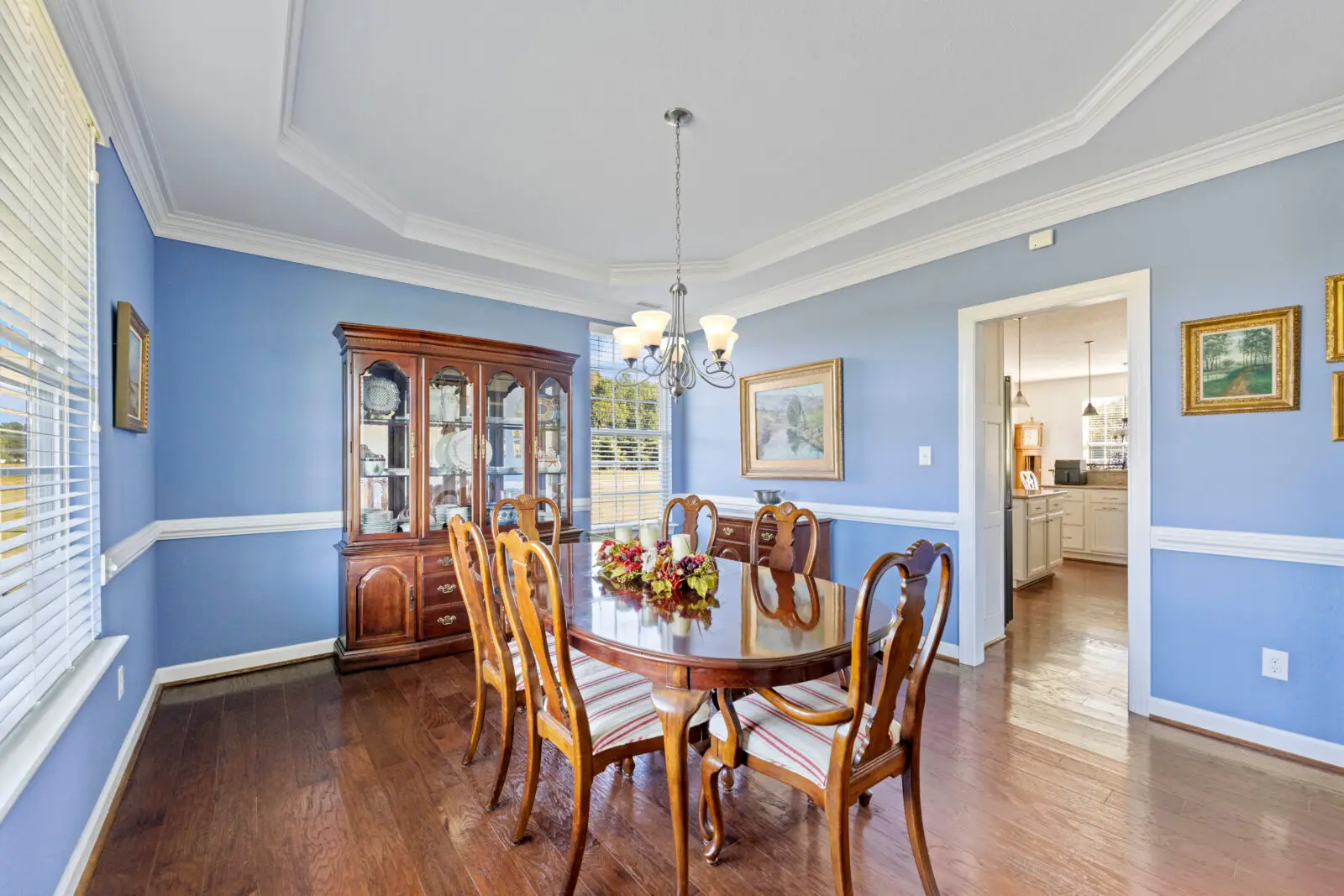
You love the bones of your house. The crown molding, the six-panel doors, the shutters on every window. What you don’t love is the builder beige, the yellowed trim, and a kitchen stuck in 1996. Updating a traditional home comes down to one decision: what you keep and what you refresh.
After more than 20 years painting homes across Williamsburg and James City County, we have learned the best updates rarely remove anything. They change color, sheen, and condition so the architecture can do the talking again.
Key Takeaways
- Keep the architecture and refresh the finishes.
- Colonial colors were bolder than most people think, so traditional does not mean beige.
- Trim, doors, and millwork carry a home’s character. Repair before you repaint.
- Painted cabinets update a kitchen for a fraction of the cost of new ones.
- Coastal Virginia humidity and pollen make prep more important than color.
- Homes built before 1978 need lead-safe work practices.
What to Keep When Updating a Traditional Home
The key is to sort every feature into two groups: the architecture you keep and the finishes you refresh. Moldings, paneled doors, mantels, and window casings are architecture. Wall colors, sheens, and worn or yellowed paint are finishes.
| Keep (Architecture) | Refresh (Finishes) |
|---|---|
| Crown molding, chair rail, and wainscoting | Yellowed, chipped, or over-caulked paint |
| Solid paneled doors | Scuffed paint or dated stain |
| Solid wood cabinet boxes | Orange oak or worn cabinet finishes |
| Window casings and sills | Failed caulk and peeling paint |
In Kingsmill, Governor’s Land, and New Town, we often find great millwork hiding under one off-white on every surface. Yellowed trim is one of the classic signs you need interior painting, and it is an easy fix.
Choosing Colors for a Traditional Home
Use warm whites and soft neutrals on main walls, then bring deeper historic colors into dining rooms, studies, and front doors. Colonial-era colors were more saturated than most people assume, so a traditional home can carry rich greens, blues, and even plum without feeling dated.
Benjamin Moore built its Williamsburg Paint Color Collection with the Colonial Williamsburg Foundation after studying 18th-century wallpaper and original paint samples. Their research showed historic pigments were more saturated than once believed. The 144-color palette is a smart starting point for homes in our area.
Test Colors in Your Own Light
Paint large swatches on two walls and check them morning and evening. Strong afternoon sun can turn a soft gray cold by 5 p.m. Judge every color next to your trim and floors. Our interior painting team can help you narrow it down.
For a modern edge with historic roots, try a dark baseboard. Benjamin Moore notes its Mopboard Black was used on baseboards around Colonial Williamsburg.
Trim, Doors, and Millwork
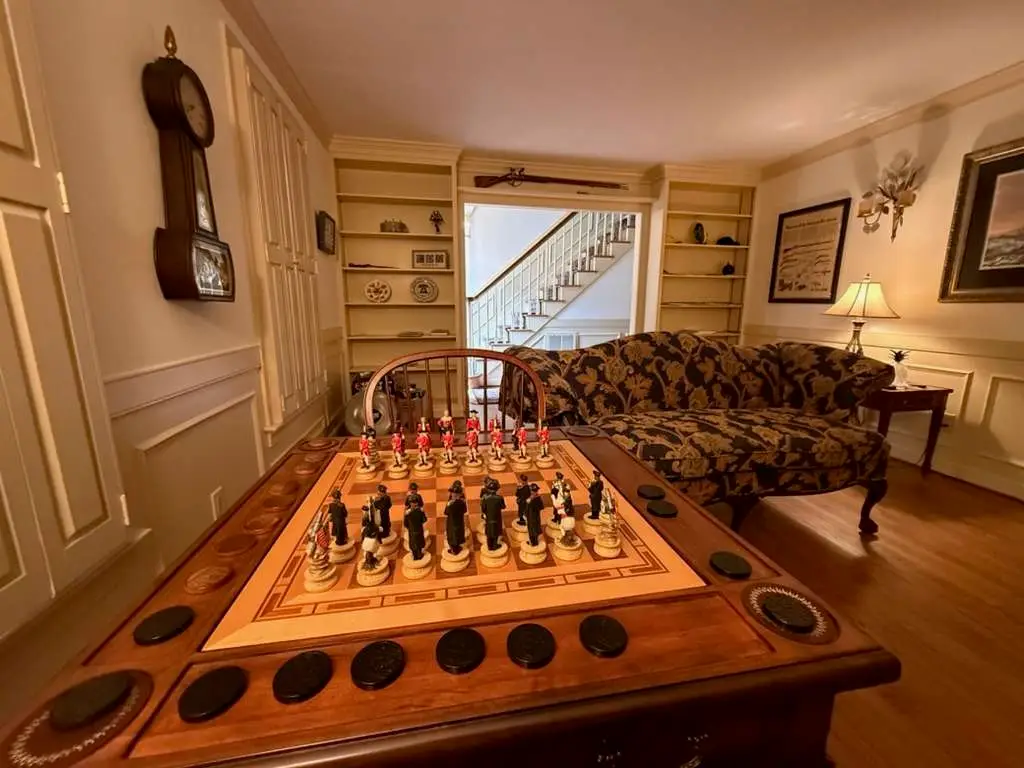
Trim and doors define a traditional home more than wall color does. Keep original profiles, repair damage instead of swapping in modern stock trim, and repaint with a durable enamel. Crisp trim makes an older room look intentional instead of tired.
| Surface | Sheen We Recommend | Why |
|---|---|---|
| Living and dining room walls | Matte or eggshell | Hides flaws in older walls |
| Kitchen and bath walls | Satin | Wipes clean and handles moisture |
| Trim, doors, and built-ins | Satin or semi-gloss | Durable and shows off detail |
| Ceilings | Flat | Hides flaws and cuts glare |
Before painting, we fill cracked miters, re-caulk gaps, and replace soft wood. Humidity makes trim swell and shrink here, so failed caulk is common. When a sill or jamb has rotted, our carpentry and home repair crew can match the original profile.
Updating a Traditional Kitchen
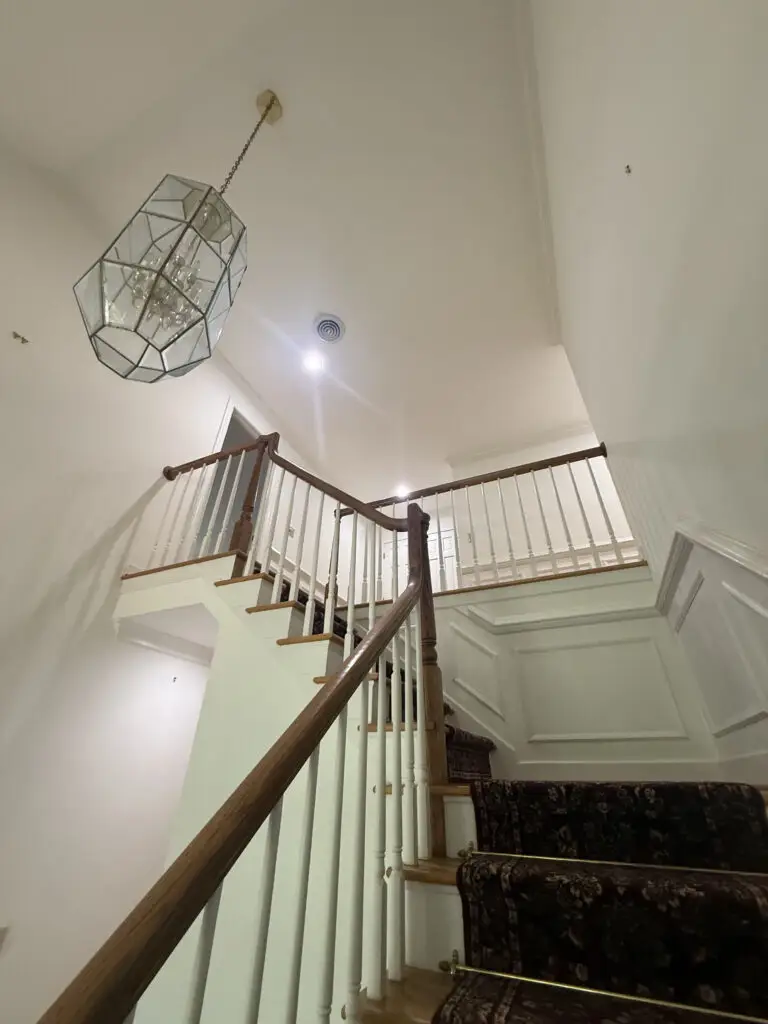
Painted cabinets are the most cost-effective way to update a traditional kitchen. Solid wood cabinets from the 1980s through the 2000s are usually strong candidates. Warm white, sage, navy, and soft greige all look current while suiting a colonial-style home, and new hardware finishes the look.
We spray cabinet doors and drawer fronts in our own dedicated, ventilated workshop, not in your driveway or garage. That keeps dust, pollen, and humidity off the finish while it cures, with less mess and fewer fumes in your home.
Refreshing the Exterior
For most traditional homes, a smart exterior paint job keeps a classic body color and refreshes the shutters, front door, and trim. Repair any rotted wood and clean the house properly first. The result looks fresh without looking out of place on a Williamsburg street.
Shutters and the front door are where a traditional exterior has room to play. Deep green, navy, and classic red all have history behind them and still look current today. From Toano and Norge to Providence Forge, prep matters as much as color, because pollen and mildew keep paint from bonding, and soft spots hide at the bottoms of door casings and sills.
Prep for Older Homes
Older homes need more prep than newer ones: lead-safe practices for anything built before 1978, bonding primer over old oil-based trim, and repairs to plaster cracks and loose joints. In our experience, skipped prep is the most common reason fresh paint fails early.
According to the EPA, many homes built before 1978 still contain some lead-based paint, which is why older homes require extra care during surface preparation. Our painters are EPA Lead-Safe Certified and follow lead-safe work practices when working on applicable pre-1978 homes.
Common Mistakes to Avoid
Most disappointing updates trace back to a few avoidable mistakes:
- Going all gray or stark white. Cold palettes fight warm wood floors and traditional millwork.
- Replacing original trim with stock profiles. Thin, flat trim looks wrong next to original doors.
- Using flat paint on trim. It scuffs easily and looks chalky fast.
- Skipping primer. New paint over bare wood or old oil finishes peels.
Cost and Timing
The cost of updating a traditional home depends on how much trim it has, how much repair it needs, how many colors you choose, and whether lead-safe prep is required. Trim-heavy colonial interiors take longer than open floor plans, so labor, not paint, drives most of the price.
| Cost Factor | Why It Matters |
|---|---|
| Trim and millwork | Detailed trim is brushed by hand |
| Repairs and caulking | Rot and gaps are fixed first |
| Number of colors | More colors mean more cutting in |
| Built before 1978 | Lead-safe setup adds time |
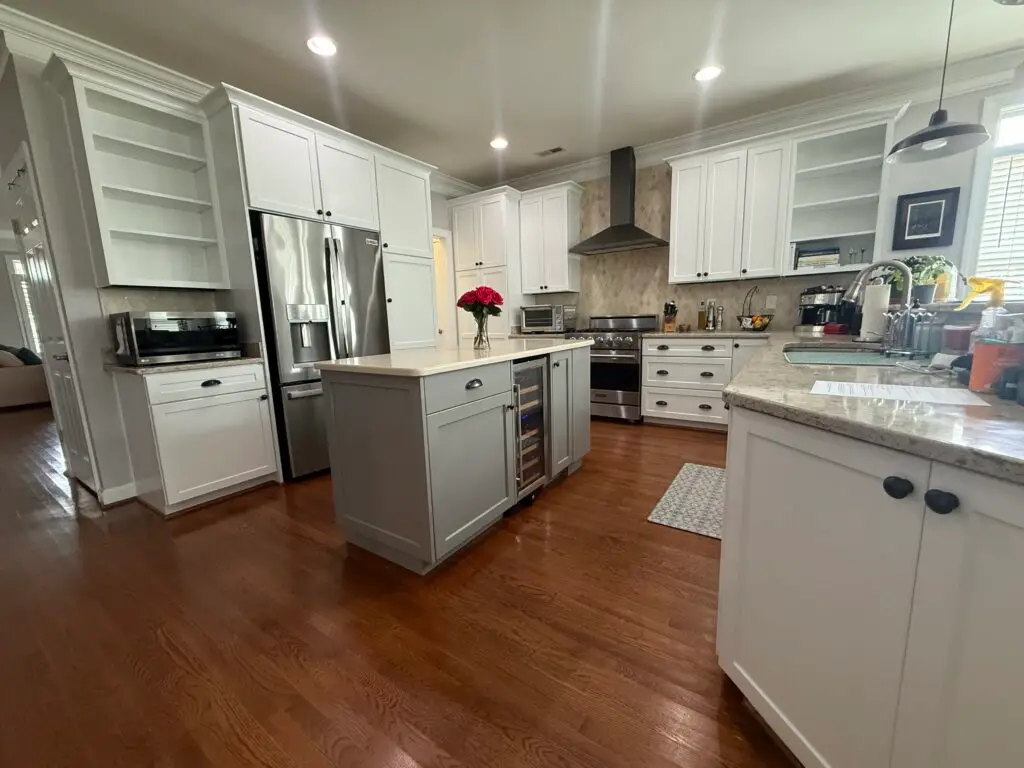
| Tall ceilings and stairwells | Staging and ladders add labor |
Spring and fall are ideal for exterior work around Williamsburg, and interior projects work year-round. For an exact number, we will walk your home and put it in writing.
Frequently Asked Questions
What paint colors work best in a colonial-style home?
Warm whites, soft creams, putty, muted gray-greens, and pale blues work well on the main walls of a colonial-style home. For dining rooms, studies, and powder rooms, deeper colors like forest green, navy, oxblood, and plum are historically grounded and still feel fresh. Outside, white or cream siding with black or dark green shutters and a red, navy, or green front door is a classic combination. Always sample colors in your own light before committing.
Is it okay to paint original stained wood trim?
It depends on the wood. If the trim is quality hardwood with a finish in decent shape, keeping it stained often preserves more character than paint. If it is common pine with a worn orange finish, painting usually makes the room brighter and more cohesive. Think it through, because stripping paint back off trim is slow and expensive. Whatever you decide, do the whole room at once. Half-painted trim looks like a project someone gave up on.
Should I paint the brick fireplace in a traditional home?
It depends on the brick. Original or handmade brick with real texture and color variation is usually worth keeping, and a good cleaning often does more for it than paint would. Common red brick from the 1980s and 1990s is a different story, and a warm white or soft gray can quiet a busy room fast. Keep in mind that painted brick is close to permanent, so take your time deciding. Limewash is a middle option that softens the color without covering it completely.
Is painting cabinets a good idea in a traditional kitchen?
Yes, as long as the cabinet boxes are solid. The process is what makes it last: degreasing years of cooking residue, scuff sanding every surface, a bonding primer, and a hard enamel topcoat. Skipping any of those steps is why so many weekend cabinet projects start chipping around the handles within a year. Cabinets we would steer you away from are the ones already delaminating, water damaged, or built from thin particle board, because a nice finish on a failing box is money spent twice.
Ready to Get Started?
Updating a traditional home is about respect as much as style. The houses we see age best are the ones where someone fixed the small things, picked colors with some backbone, and left the good millwork alone.
When you are ready, request a free painting estimate. We will walk your home with you and give honest recommendations.